
Other than having an import license for importing the product and having a distribution company here in Indonesia
Companies that want to import and distribute cosmetic products to Indonesia must register the products with the National Agency of Drug and Food Control (BPOM)
based on Minister of Health Regulation (Permenkes) No. 1176/MENKES/PER/VIII/2010 of 2010 concerning Cosmetics Notification. Further, Indonesia’s Government Regulation 39 of 2021 (GR 39/2021) sets out the requirements for businesses to obtain Halal certification for their goods and services including cosmetics.
1. Product Registration
Product registration in Indonesia involves various certifications depending on the product type. The primary ones are BPOM for food, drugs, and cosmetics, and SNI for products requiring compliance with Indonesian National Standards. Some products may require one or both.
A. BPOM (Badan Pengawas Obat dan Makanan – National Agency of Drug and Food Control) Registration:
This is typically for food and beverage products, cosmetics, medicines, traditional supplements, and any items related directly to the previously mentioned product.
Estimated Cost per SKU (Stock Keeping Unit):
This typically includes consultation, document preparation & review, submission, follow-up with authorities, and obtaining the registration number. (Please provide a detailed list of your products, including ingredients and intended use or any materials used, so we can give you a more accurate quotation for BPOM if applicable.)
B. SNI (Standar Nasional Indonesia – Indonesian National Standard) Certification:
SNI is a mandatory standard for certain product categories to ensure quality, safety, and interoperability. Products requiring SNI certification cannot be sold in Indonesia without it. This can include electronics, automotive parts, steel products, toys, tires, and some food processing equipment or components, depending on specific regulations.
The cost can vary significantly based on:
1. The specific SNI standard applicable to your product.
2. The complexity and number of tests required by accredited laboratories.
3. Whether a factory audit/inspection by an accredited Product Certification Body (LSPro – Lembaga Sertifikasi Produk) is required.
4. The LSPro chosen for certification.
C. HALAL Certification
In Indonesia, halal certification isn’t just a choice; it’s a legal requirement. The Indonesian Ulema Council mandates certification for cosmetics, food, and non-food products and services. Failure to comply means foreign beauty products will be treated as non-halal unless certified by an accredited body.
The term “halal” isn’t just a label; it’s a commitment to integrity, purity, and respect for Islamic principles. Regarding cosmetics, this means products are manufactured with ingredients permissible under Islamic law. This includes strict guidelines prohibiting substances like blood, pigs, and alcohol, as they are considered non-halal.
To be recognized as a Halal Beauty brand, developers must undergo rigorous certification by the Indonesia Halal Certification. While the process costs may varies depends on the product and scale of the business, the benefits far outweigh the investment.
2. Business Matching Services
Our business matching services are designed to connect you with the right partners to build a sustainable business in Indonesia.
A. Identifying a Suitable Agent/Distributor:
This service includes understanding your specific needs and criteria for an agent, market research to identify potential candidates, initial vetting (background, financial stability, track record, network reach), arranging introductory meetings (virtual or physical), and assistance in preliminary discussions. We aim to provide a shortlist of 3-5 qualified and interested potential agents.
B. Connecting with Customers (focus on 3-piece manufacturers):
This involves identifying top 3-piece manufacturers in Indonesia, understanding their procurement needs and specifications, facilitating introductions, and potentially arranging initial meetings or product presentations.
C. Gaining Insights & Connecting with Privately Owned Companies Manufacture for Own Use:
This is a more investigative service. It involves deeper market research to identify companies that produce products for their internal consumption (e.g., large food processors, beverage companies), understanding their scale and potential interest in your offerings, and attempting to establish connections with their procurement or relevant departments.
3. Freight Forwarding
At Kasey Beauty, we provide many delivery way, such as end-to-end freight forwarding services tailored for businesses looking to import goods into Indonesia. Our expertise lies in simplifying the complex import process—from international pickup and shipping to customs clearance and last-mile delivery.
We act as your reliable partner, ensuring compliance with Indonesian regulations, including Importer of Record (IOR) services, including all the certifications where needed. Whether you’re shipping commercial cargo, samples, or regulated products, we handle it all—efficiently, transparently, and with full legal compliance.
With our experienced team, regulatory expertise, and reliable logistics network, you can trust us to manage every step of the process—accurately, efficiently, and compliantly. Partner with us to simplify your import operations and ensure your products enter Indonesia smoothly and successfully.
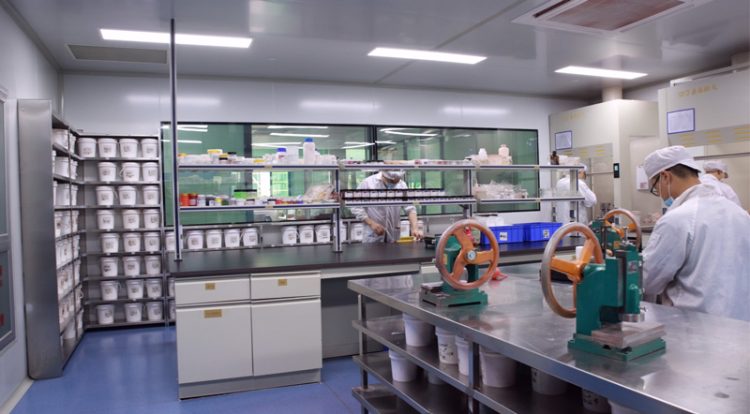
Kasey cosmetics lab (2)