
Preservatives are one of the most misunderstood ingredient categories in skincare. Many consumers now ask whether a product is “preservative-free” or whether it contains “zero preservatives,” often assuming that preservatives are automatically harmful.
In reality, preservatives are not the enemy of skincare. For most water-containing cosmetic products, a properly designed preservative system is essential for product safety, stability, and consumer protection.
The key question is not simply “Does this product contain preservatives?” but rather:
Is the preservative system appropriate, compliant, effective, and suitable for the product and its intended users?
1. Why Do Skincare Products Need Preservatives?
Most skincare products — including lotions, serums, creams, toners, masks, and cleansers — contain water and skin-beneficial ingredients such as humectants, botanical extracts, peptides, proteins, and other actives.
Unfortunately, these same conditions can also support microbial growth.
Microorganisms can grow when a product contains:
- Water
- Nutrients
- Repeated exposure to air, fingers, or bathroom humidity
- A near-skin-friendly pH environment
- Long storage periods after opening
Without adequate preservation, a cosmetic product may become contaminated by bacteria, yeast, or mold.
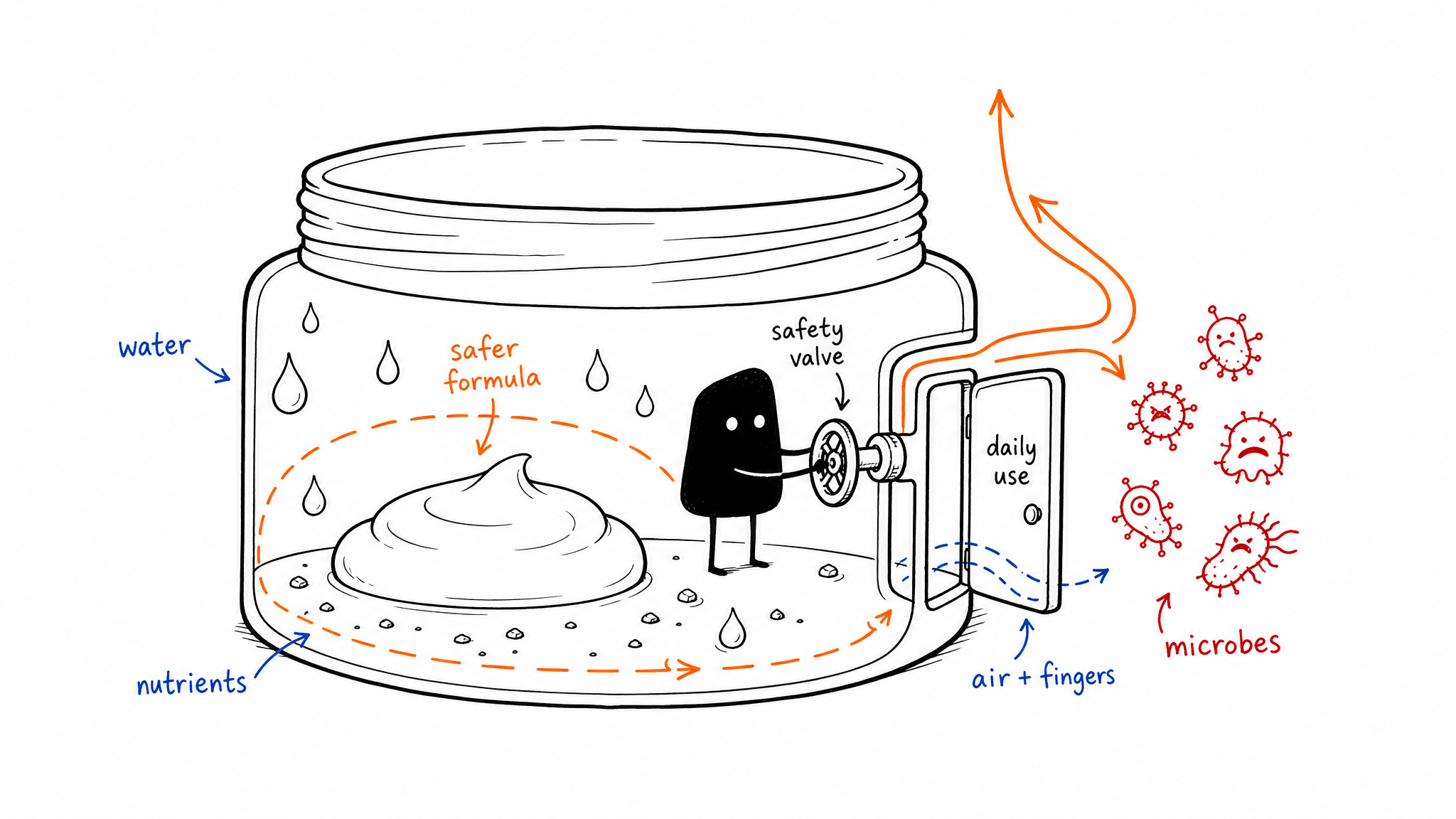
This can lead to unpleasant odor, color or texture changes, reduced product performance, and in more serious cases, skin irritation, infection, or other safety risks.
Therefore, preservatives are not added simply for convenience. They are used to help keep products safe throughout manufacturing, transportation, storage, and daily consumer use.
2. Preservatives Are About Safety, Not Fear
A common misconception is that “preservative-free” automatically means safer.
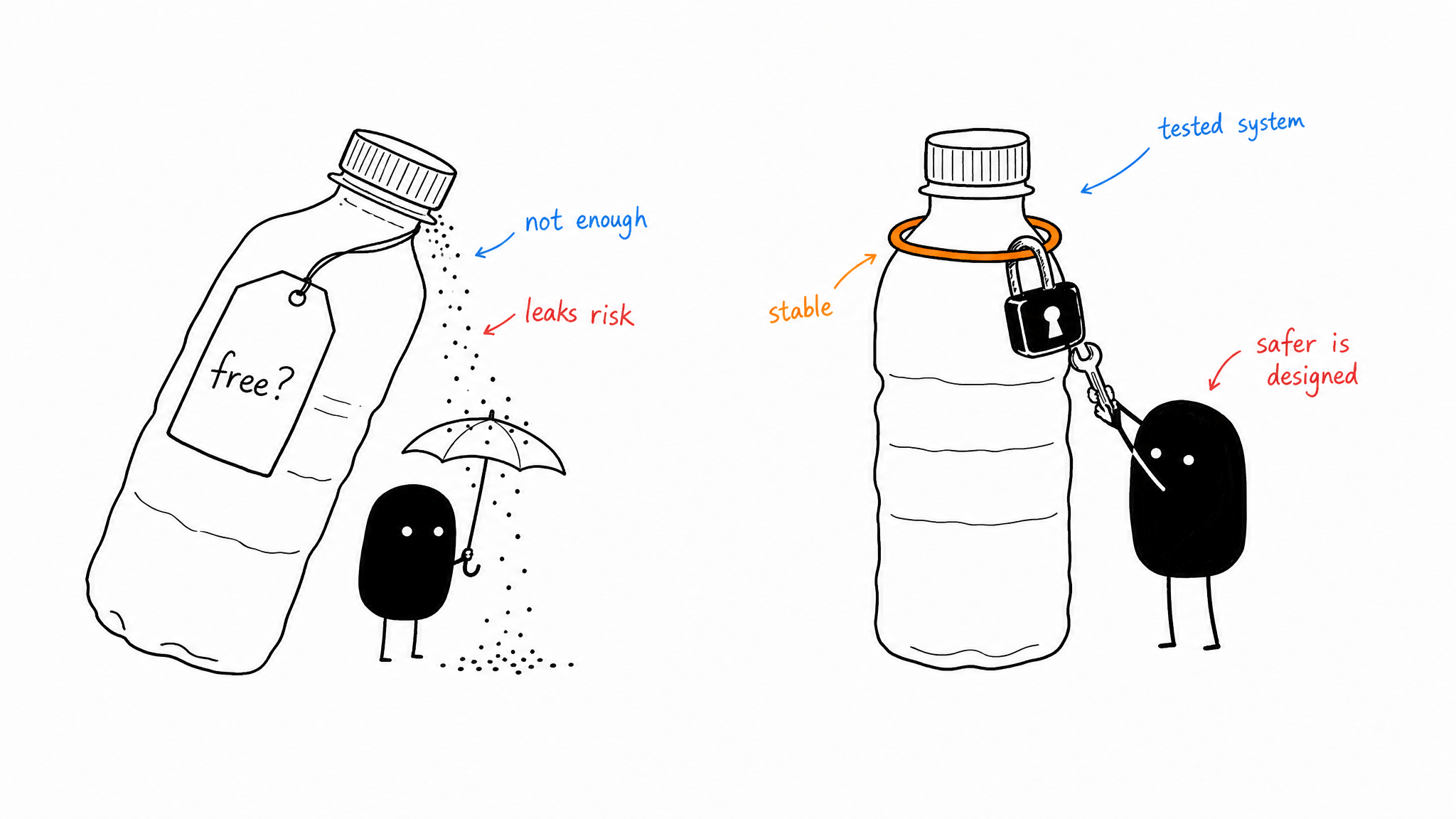
This is not always true.
A poorly preserved water-based product may carry a higher risk than a properly preserved product. In skincare formulation, microbial safety is a fundamental requirement, not an optional feature.
A reliable preservative system should:
- Control bacteria, yeast, and mold
- Remain effective throughout the product’s shelf life
- Be compatible with the formula’s pH, packaging, and ingredients
- Meet regulatory safety limits
- Be supported by appropriate stability and microbial challenge testing
In professional formulation, preservatives are selected based on the product type, formula structure, target users, packaging, and regulatory market requirements.
3. Traditional Preservatives vs. Modern Preservative Systems
Preservatives used in cosmetics can generally be divided into two broad categories: regulated traditional preservatives and modern or multifunctional preservative-support systems.
It is important to note that “traditional” does not automatically mean unsafe, and “new” does not automatically mean better. Safety depends on concentration, formula compatibility, exposure, user group, and regulatory compliance.
Comparison of Common Preservative Types
| Category | Examples | Key Features | Important Notes |
|---|---|---|---|
| Parabens | Methylparaben, Ethylparaben, Propylparaben, Butylparaben | Effective, stable, widely studied | Some parabens are permitted under strict limits in many regions. Safety depends on type and concentration. |
| Isothiazolinones | Methylisothiazolinone, Methylchloroisothiazolinone | Strong antimicrobial activity | Higher sensitization concern. MIT is restricted and is not allowed in leave-on cosmetics in the EU. |
| Formaldehyde-releasing preservatives | DMDM Hydantoin, Imidazolidinyl Urea, Diazolidinyl Urea | Slowly release very small amounts of formaldehyde to control microbes | Permitted in some markets under limits, but may not be suitable for highly sensitive users. |
| Organic acids | Benzoic Acid, Sorbic Acid, Dehydroacetic Acid | Often used in lower-pH formulas | Effectiveness depends strongly on pH. |
| Multifunctional preservative-support ingredients | 1,2-Hexanediol, Caprylyl Glycol, Ethylhexylglycerin, Hydroxyacetophenone | Often provide antimicrobial support while also offering moisturizing or antioxidant benefits | Usually used as part of a broader preservative system rather than as a single solution. |
This comparison shows that preservative safety cannot be judged by the ingredient name alone.
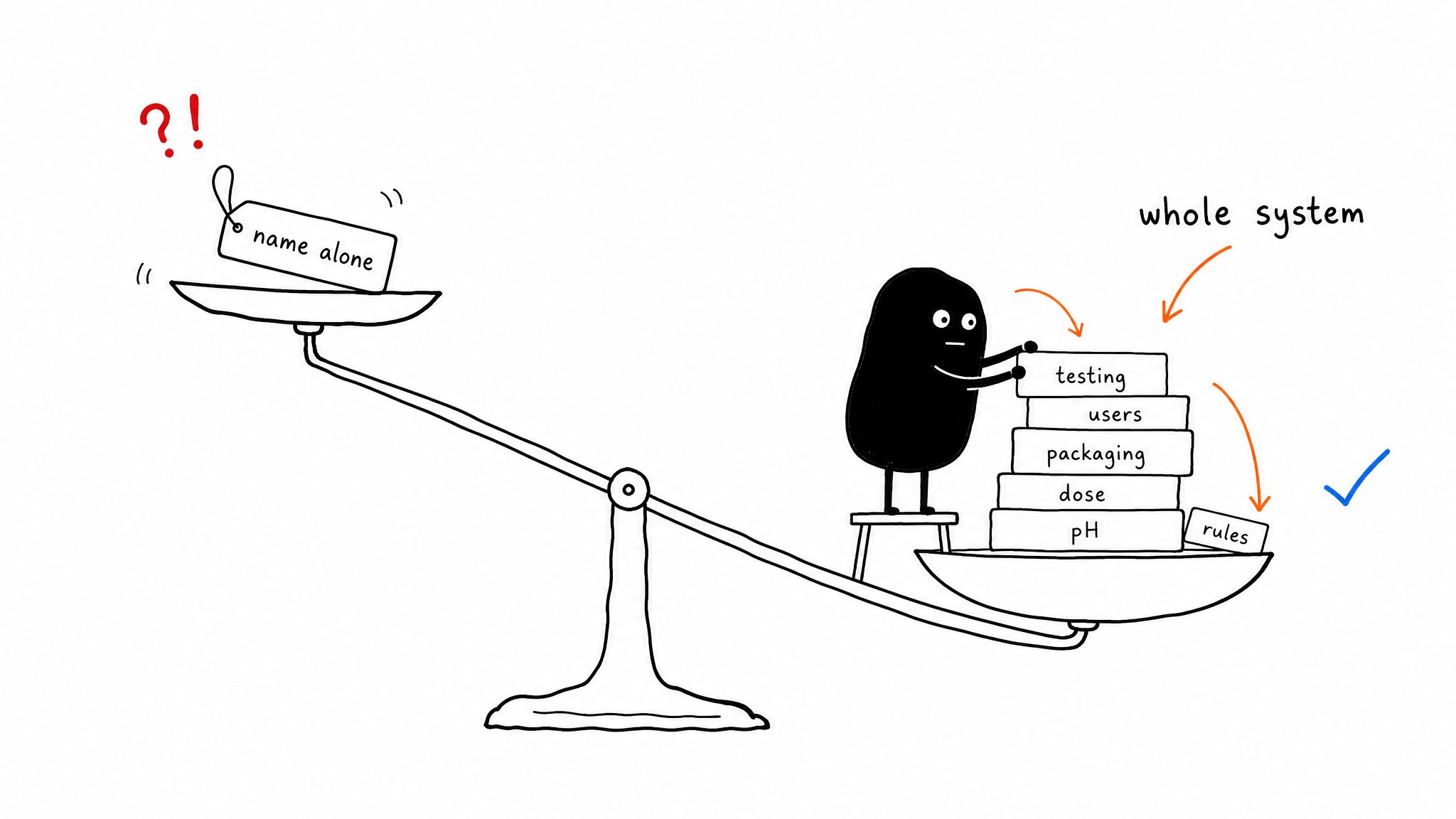
A responsible brand should evaluate the entire formulation system.
4. Commonly Discussed Preservatives and Their Considerations
Some preservatives receive more public attention because of irritation concerns, regulatory restrictions, or online misinformation. Here is a more balanced explanation.
Parabens
Parabens are a group of preservatives that have been used in cosmetics for decades. Common examples include methylparaben and ethylparaben.
They are effective and relatively stable, and some have been extensively evaluated by regulatory authorities. However, certain parabens have been questioned because of potential endocrine-related concerns, especially at inappropriate concentrations or with specific types.
For consumers, the practical point is this:
Parabens are not all the same. Products that comply with regulatory concentration limits are considered acceptable in many markets, but consumers with personal concerns may choose alternatives.
Methylisothiazolinone
Methylisothiazolinone, often abbreviated as MIT, is known for its strong antimicrobial activity. However, it has also been associated with a higher risk of skin sensitization.
In the European Union, MIT is prohibited in leave-on cosmetic products and is only allowed under strict limits in rinse-off products.
For sensitive skin users, especially those with eczema-prone or allergy-prone skin, MIT-containing products may require extra caution.
Formaldehyde-Releasing Preservatives
Formaldehyde-releasing preservatives work by slowly releasing very small amounts of formaldehyde to help prevent microbial growth.
They are regulated in many regions and can be legally used within permitted limits. However, because formaldehyde is a known sensitizer, these preservatives may be less suitable for individuals with highly sensitive skin, known allergies, or a history of contact dermatitis.
Multifunctional Ingredients Used in Modern Systems
Modern formulas often use ingredients such as:
- 1,2-Hexanediol
- Caprylyl Glycol
- Ethylhexylglycerin
- Hydroxyacetophenone
- Certain organic acids
These ingredients may support preservation while also offering moisturizing, antioxidant, or formula-stabilizing benefits.
However, it is more accurate to describe them as part of a preservative system rather than claiming that a product has “no preservation.” Even when they are not listed as official preservatives in some regulatory frameworks, they may still contribute to antimicrobial protection.
5. “Preservative-Free” Does Not Always Mean “No Antimicrobial Protection”
This is one of the most important points for consumers to understand.
Many products marketed as “preservative-free” are not truly without antimicrobial protection. Instead, they may use ingredients that are not classified as official preservatives under certain regulations but still help inhibit microbial growth.
“Preservative-Free” Usually Means:
- The product does not contain ingredients listed as traditional or regulated preservatives in a specific market
- The formula may still include multifunctional ingredients with antimicrobial-support properties
- The brand may rely on packaging, low water activity, low pH, high alcohol content, or other formulation strategies
“Zero Preservatives” Can Be Misleading
For water-containing skincare products, a claim such as “zero preservatives” should be treated carefully. A product still needs some form of microbial control unless it is:
- Anhydrous, meaning it contains no water
- Single-use and sterile-packaged
- Preserved through special packaging and manufacturing controls
- Formulated in a way that naturally does not support microbial growth
For most daily-use skincare products, especially products stored in bathrooms and opened repeatedly, microbial protection is necessary.
A more responsible expression would be:
“Free from traditional listed preservatives, using a multifunctional preservation-support system.”
This is more accurate and more professional than simply saying “zero preservatives.”
6. Product Type Matters: Not Every Formula Needs the Same Preservation
Different products require different preservation strategies.
Water-Based Products
Examples include toners, lotions, serums, gels, sheet masks, and creams.
These products usually require a robust preservative system because water supports microbial growth.
Anhydrous Products
Examples include facial oils, cleansing balms, lip balms, and oil-based serums.
These products contain little or no water, so they are less likely to support bacterial growth. However, they may still require antioxidant protection to prevent rancidity, and contamination can still occur if water is introduced during use.
Rinse-Off Products
Examples include cleansers, shampoos, and body washes.
These may use different preservative systems because they are rinsed off and have different exposure patterns compared with leave-on products.
Leave-On Products
Examples include creams, serums, essences, and sunscreens.
Because these remain on the skin for longer periods, formulators usually pay closer attention to irritation potential, sensitization risk, and skin compatibility.
7. Packaging Also Affects Preservative Requirements
Packaging is an important part of product safety.
A jar cream that is repeatedly exposed to fingers and air usually needs stronger microbial protection than an airless pump product.
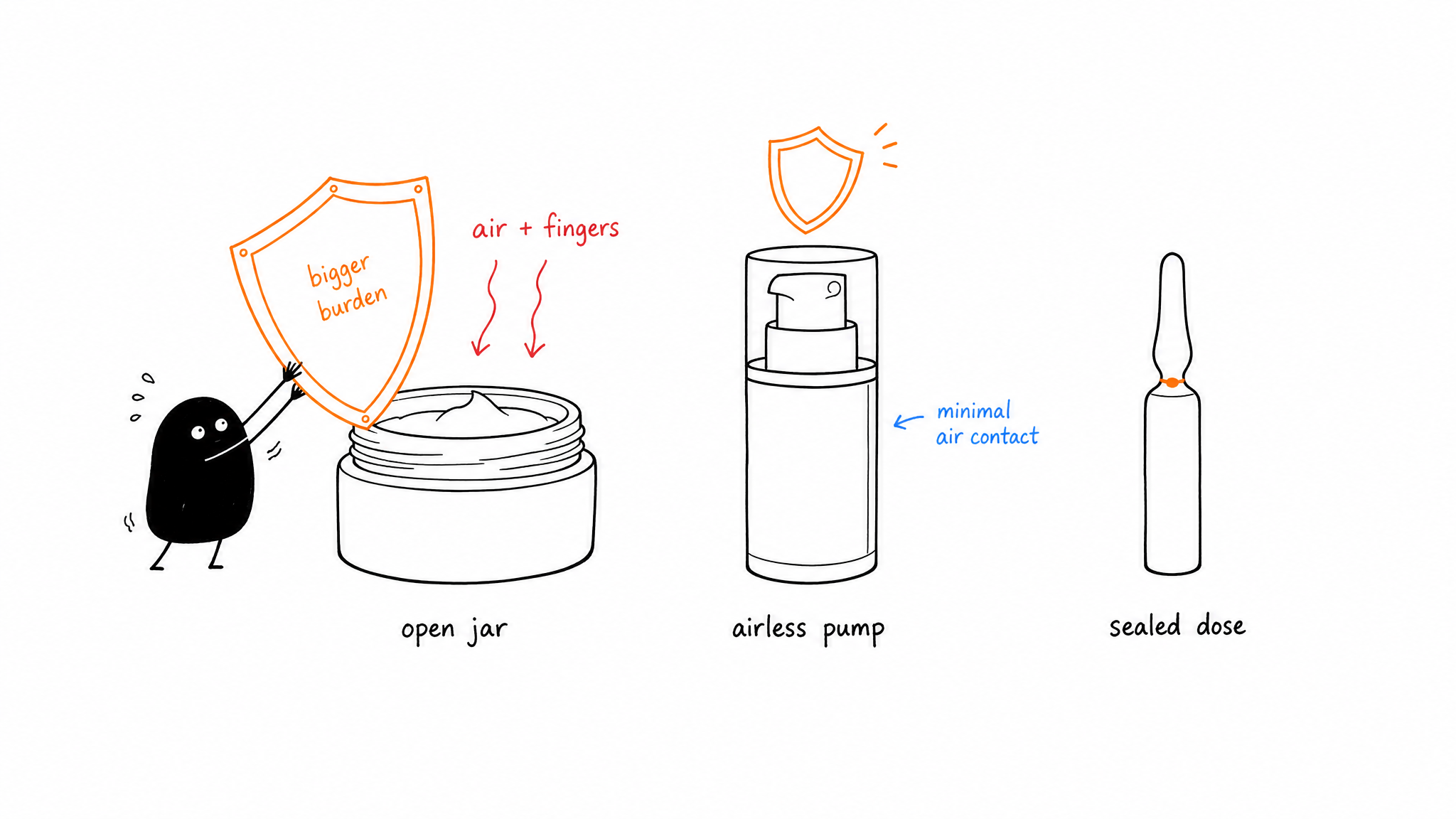
Similarly, single-use ampoules or sealed sterile packaging can reduce contamination risk.
Lower-Risk Packaging Options Include:
- Airless pumps
- Tubes with narrow openings
- Single-dose ampoules
- Sealed sachets
- Pump bottles that limit air exposure
Good packaging does not always replace preservatives, but it can reduce the preservative burden required to keep the product safe.
8. How Consumers Can Choose Preserved Products More Wisely
Consumers do not need to fear preservatives. Instead, they should learn how to evaluate products more practically.
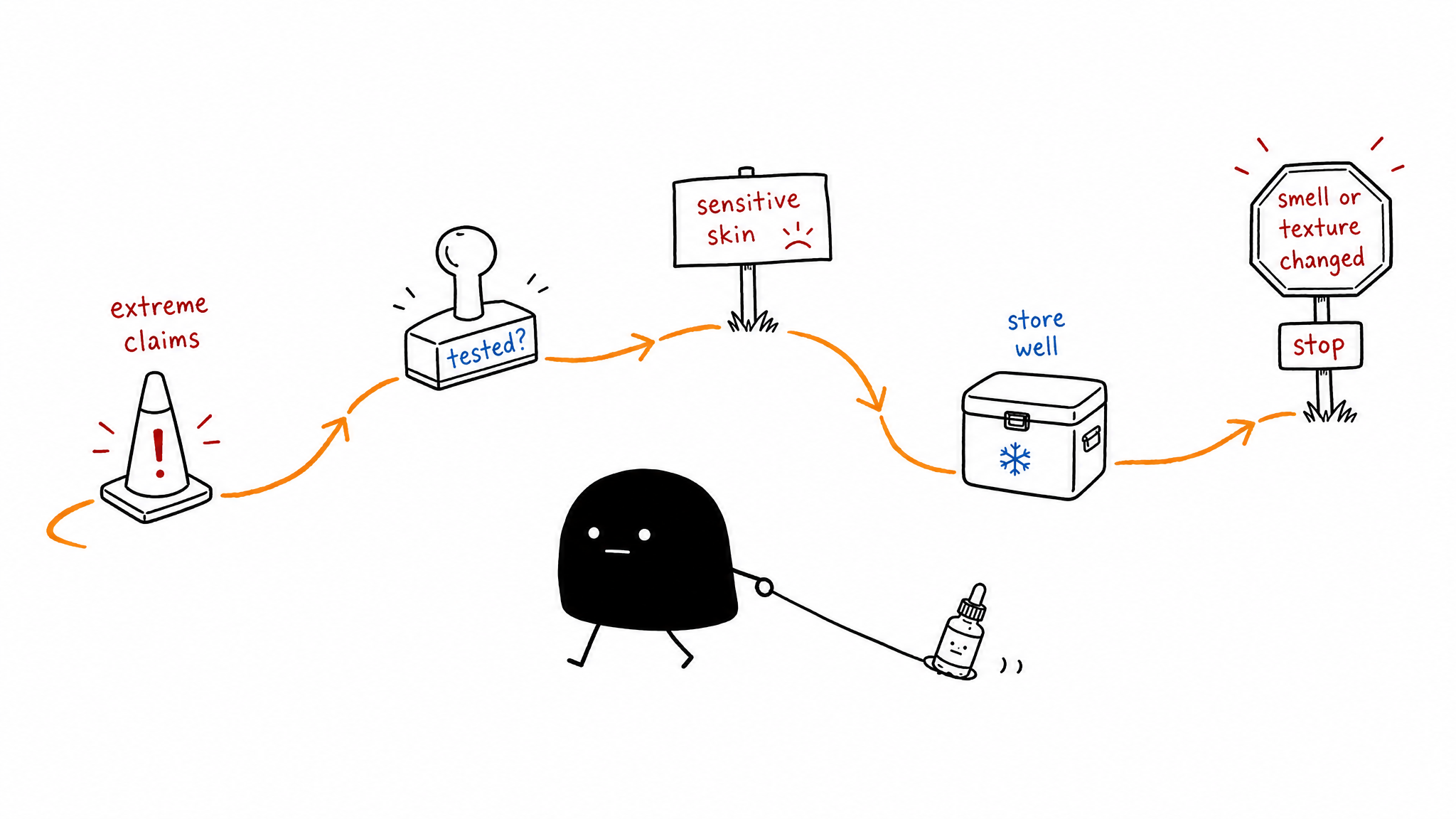
Practical Selection Tips
- Do not judge safety based only on the presence or absence of preservatives.
- Be cautious with extreme claims such as “100% preservative-free” for water-based products.
- Sensitive skin users should pay attention to known sensitizers such as MIT.
- Choose products from brands that conduct stability and microbial testing.
- Avoid using products past their expiration date or period-after-opening symbol.
- Do not add water or DIY ingredients into finished cosmetic products.
- Store skincare products away from heat, sunlight, and humid environments.
- Stop using a product if it changes smell, color, texture, or causes unusual irritation.
A safe cosmetic product depends on the complete formula, packaging, manufacturing quality, testing, storage, and usage habits.
9. Key Takeaway
Preservatives are not something consumers need to automatically fear. In most water-containing skincare products, they are essential for protecting the formula from microbial contamination and protecting users from potential safety risks.
The real issue is not whether a product contains preservatives, but whether the preservative system is:
- Scientifically designed
- Legally compliant
- Properly tested
- Suitable for the product type
- Appropriate for the target skin group
A well-preserved skincare product is not “less clean” or “less gentle.” In many cases, it is safer, more stable, and more reliable.
For brands, the most responsible approach is not to promote fear of preservatives, but to educate consumers with accurate, transparent, and science-based information.